Rented Crowns and Paper Scepters: Inside the Warehouses Where America Borrows Its Royalty
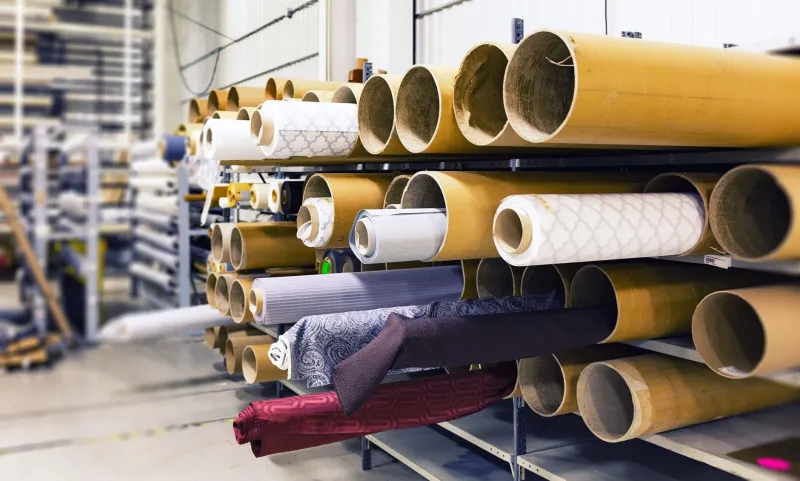
Somewhere in the San Fernando Valley, behind an unmarked door that smells of dust, spray paint, and old velvet, there is a shelf of crowns. Not one crown — dozens. Ermine-trimmed Tudor pieces with rhinestones the size of quail eggs, delicate Victorian diadems, a solid-looking imperial orb that, lifted in the hand, proves light as balsa wood. Each has a tag. Each has a rental rate. Each has, at some point in the last thirty years, appeared on a television screen in a living room in Ohio.
This is the paradox at the heart of American royal fantasy: the nation that broke with a king three centuries ago has become the world's leading manufacturer of borrowed monarchy — and it keeps the whole operation in warehouses.
The Inventory of Pretend Empires
Prop houses are the least romantic businesses in the most romantic industry. Their catalogs read like the manifest of a sunken European treasure fleet: thrones, scepters, coronation robes, gilded mirrors, "queen, standing" (a full mannequin), "crown, generic European, gold." Prices are quoted by the week. Insurance riders are mandatory. A crown that looks weighty enough to bend a spine is often hollow fiberglass, engineered so that an actor can wear it through a fourteen-hour shoot without physical ruin.
The veterans of this trade speak of their stock with the fondness of stable hands for old horses. A particular throne has appeared in a soap opera, a hip-hop video, and — if the rental ledger is to be believed — at least three billionaires' milestone birthday parties. The same scepter has been pointed at camera lenses by everyone from a Shakespeare festival actor to a reality-television contestant. Nothing here is unique; that is the point. These objects are built to be everything to everyone, a monarchy on demand.
One Egg's Excellent Journey
Consider the travels of a single object: a foot-tall enamel egg, gold-toned, bejeweled, fitted with a hinged lid that opens to reveal a tiny gilt carriage. It is, a prop master will tell you cheerfully, "in the style of" Fabergé — a distinction that keeps lawyers calm and prices reasonable.
The egg began its career at a Renaissance fair outside Sacramento, purchased from a costume vendor for a few hundred dollars. It sat on a shelf for years, occasionally rented as table dressing for themed galas. Then a streaming production scout found it. For one season of a lavish period drama, the egg sat on a fictional tsarina's vanity, photographed in extreme close-up, its faux jewels catching light designed to look like candlelight. Millions of viewers saw it. Some, presumably, assumed it was real.
Its third act was the strangest. A New York event planner, needing "something imperial" for a client's anniversary celebration in a Park Avenue penthouse, rented the same egg. For one evening it stood on a marble console above Manhattan, surrounded by actual wealth, performing authenticity it had never possessed. The guests photographed it. Nobody asked for papers.
What We See When We Look
There is a case to be made — and curators of decorative arts quietly make it — that the prop house is America's true museum of royalty. The Metropolitan Museum may hold objects that once touched the heads of actual monarchs, but far more Americans have looked upon the warehouse crown. It is the version of majesty most of us have actually seen: the one built for the camera, calibrated to read as "royal" at a distance of twenty feet and a resolution of 4K.
This is not necessarily a demotion. The great European regalia on display in towers and treasuries were themselves performances — objects made to persuade viewers of a legitimacy that had to be constantly renewed. The prop crown does the same work with admirable honesty. It does not pretend to be old. It pretends to be meaningful, for as long as the rental agreement runs.
There is also a peculiarly American aptitude here. A country of immigrants and inventors, unburdened by a native aristocracy, turned out to be exceptionally good at building the idea of one. Our prop houses are the workshop of that national talent: monarchy as a service, tradition as set dressing, heritage available by the week with a damage deposit.
The Real Fake
Back on the shelf in the Valley, the egg waits for its next booking. It has been touched by actors, billionaire party guests, and countless gloved handlers. It has no provenance, which is to say it has the only provenance that matters here: a ledger of everywhere it has been.
Perhaps that is the quiet lesson of the gilded warehouse. Americans have always understood that majesty is less a fact than a production — lighting, wardrobe, a convincing object placed just so. The crown is hollow. The egg never belonged to a tsar. And yet, on screen and in memory, they rule.
The warehouses will keep their doors unmarked and their shelves stocked. Somewhere tonight, a rhinestone diadem is being adjusted on a nervous actor's head; somewhere else, a rented throne holds a birthday guest of honor. The republic, it turns out, keeps its royalty exactly where a republic should: in storage, waiting to be borrowed.