The Gilded Spine: America’s Quiet Market for Libraries Built to Outlive Their Owners
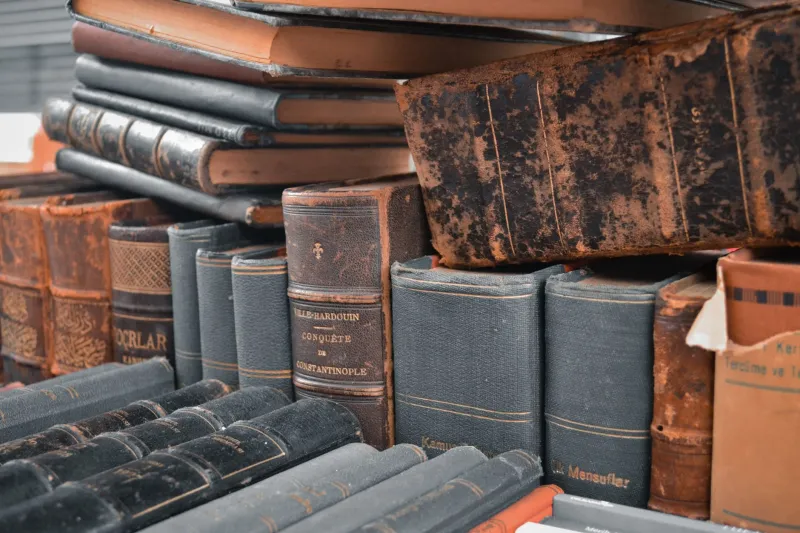
In a converted carriage house north of New York City, the air carries the mineral sweetness of leather, wheat paste, and old paper. A single volume rests on a felt-covered table: a first edition, recently acquired at auction, now being measured for a binding that will take eleven weeks to complete. The client—a technology founder in his forties—has asked for black goatskin, blind tooling, and a small cipher stamped in 22-karat gold on the front board. He has also asked that the binder never speak his name in public. The book, like the house it will live in, is meant to be seen by very few people.
This is the discreet end of the American luxury market in 2026: the private library as a form of architecture, inheritance, and quiet one-upmanship. The binders who serve it are rarely household names. They work in converted barns, urban ateliers, and climate-controlled studios, often with waiting lists that stretch six to eighteen months. Their clients are not necessarily bibliophiles in the traditional sense. They are collectors of consequence—people who have built companies, estates, and family offices, and who now want something that will remain after the quarterly reports are forgotten.
The Shelf as a Statement
The appeal is partly visual. A wall of uniformly bound books, each spine carrying the same crest or cipher, reads as order in a world that rarely offers it. In the great houses of the Gilded Age, libraries were designed as rooms for receiving—places where a host could signal both learning and lineage. Today’s commissions often begin with the room rather than the reading list. A binder may be asked to match the leather to a hand-painted wallpaper, to reproduce a grandfather’s bookplate, or to create a set of blank journals for a family archive that does not yet exist.
“The book has become a piece of furniture again, but in the best sense,” says one binder in the Hudson Valley who has worked for collectors in Newport, Nantucket, and Palm Beach. “It holds a room together. It also holds a family together, if the family is thoughtful about what it puts on the shelf.”
That thoughtfulness is not universal. Some commissions are purely decorative: rows of leather-bound classics bought by the linear foot, then rebound to match. Others are deeply personal—a parent’s letters, a family recipe book, a first edition that once belonged to a grandparent. The best binders learn to distinguish between the two, and they price accordingly.
A Craft Measured in Millimeters
Bespoke binding remains a sequence of small, exacting decisions. The binder must first assess the book’s condition: paper acidity, sewing structure, board thickness, the fragility of an original spine. Conservation and restoration are separate disciplines, and many ateliers now employ a conservator alongside a finisher. The client may want a new binding that looks old, or an old binding that survives new use. Both require different skills.
The materials are rarely off-the-shelf. Goatskin from a tannery in the Midwest, marbled paper from a studio in Philadelphia, hand-sewn headbands in silk or linen, gold leaf applied with a heated tool and a steady hand. A single crest can take a day to design and another to stamp. A full set of family encyclopedias may take a season. The result is not a book that can be replaced; it is a book that has been made singular.
“People think the luxury is the leather,” says a binder in the Bay Area whose clients include venture capitalists and museum trustees. “The luxury is the time. You cannot rush a spine. You cannot rush a family history either, but people try.”
Crests, Ciphers, and the Language of Ownership
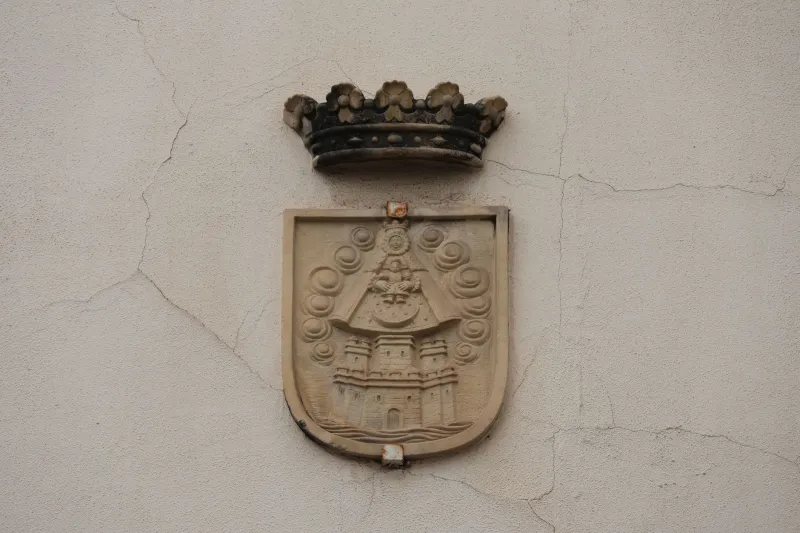
The most requested embellishment is also the most delicate: the family mark. Some clients arrive with an existing coat of arms, often researched through a genealogical consultant. Others want something new—a monogram, a motto, a small architectural motif taken from the front door of their house. The binder’s role is not to judge the legitimacy of the claim but to render it with precision. A poorly drawn crest is worse than no crest at all; it reads as costume rather than inheritance.
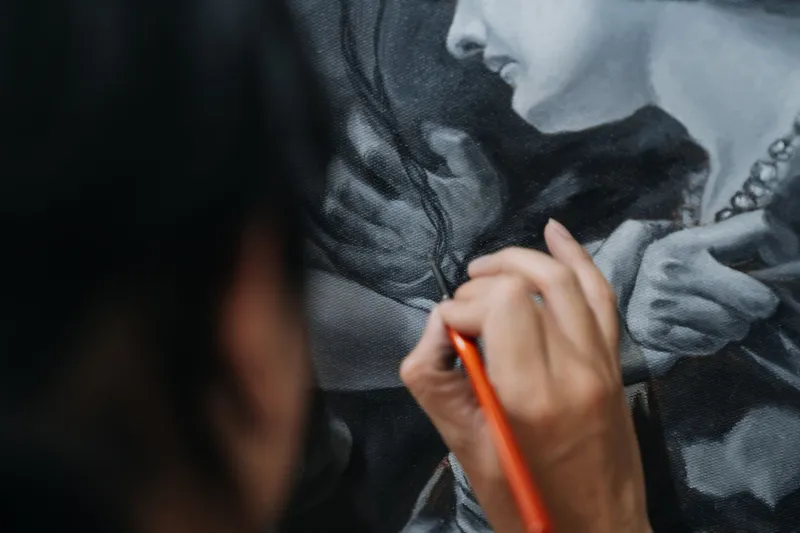
This is where the trade intersects with the broader American appetite for heritage. The same families commissioning bespoke coats of arms, private portraits, and hereditary silver are now commissioning libraries to hold the paper trail. The book becomes the most intimate object in that constellation: handled, opened, annotated, and eventually passed down. A crest on a bookplate is not a public announcement. It is a private instruction to the future.
The Economics of Forever
Prices vary widely. A simple rebinding in cloth or paper can begin in the low hundreds of dollars; a full leather binding with gold tooling and a custom clamshell box can run into the thousands. Entire room commissions—shelving, lighting, binding, and curation—are quoted like architecture, often in six figures. The clients rarely blink. What they are buying is not a commodity but a small piece of permanence, and permanence has become one of the most expensive luxuries in America.
There is also a growing market for “instant libraries”: curated sets of books selected by a consultant, bound to match, and installed in a weekend house. The best binders regard this work with a mixture of amusement and caution. A library assembled for appearance alone can feel hollow, like a stage set. But even a stage set can become real if someone eventually reads the books. The binders’ hope is that the shelves invite use rather than merely display.
Conservation and the Ethics of the Heirloom
Not every book should be rebound. That is the first lesson many clients learn. A fragile first edition may lose value if its original binding is replaced; a family Bible may need stabilization rather than restoration. The most respected ateliers now push back gently, offering conservation-grade enclosures, custom boxes, and climate guidance instead of wholesale transformation. The goal is to preserve the object, not to erase its history.
This ethical turn has made the trade more professional and, in some ways, more exclusive. Binders who once took any commission now ask about provenance, storage conditions, and the client’s long-term plans. They know that a book bound today may be judged in fifty years by how well it was made and how honestly it was treated. The dynastic library is not built in a single season; it is built by decisions that respect the materials.
Where the New Libraries Are Going
The geography of the trade is shifting. New York and Boston remain the historic centers, but binders report growing demand from Texas, Colorado, and the Pacific Northwest—places where new money is building estates with old-world ambitions. In Miami, a collector has commissioned a library of Caribbean history bound in sea-green goatskin. In Chicago, a family office is assembling a room of first editions related to the Great Lakes. The subjects vary; the impulse is the same.
What binds these clients together is not a shared taste in literature but a shared sense of time. They are building for children and grandchildren they may never meet, and they want the shelves to say something that a trust document cannot. A book, after all, can be opened. It can be read aloud. It can carry a name, a date, and a small gold cipher into a room that has not yet been built.
In the carriage house north of New York, the binder finishes measuring the first edition and sets it aside. The client will not see the finished volume until spring. By then, the leather will have been pared, the boards cut, the crest stamped, and the book pressed into its new shape. It will sit on a shelf in a house that is already old by American standards, waiting for a hand that has not yet learned to read. That is the quiet promise of the trade: not immortality, but continuity—one gilded spine at a time.