White Gloves, New Money: The Unlikely Resurgence of the American Debutante Ball
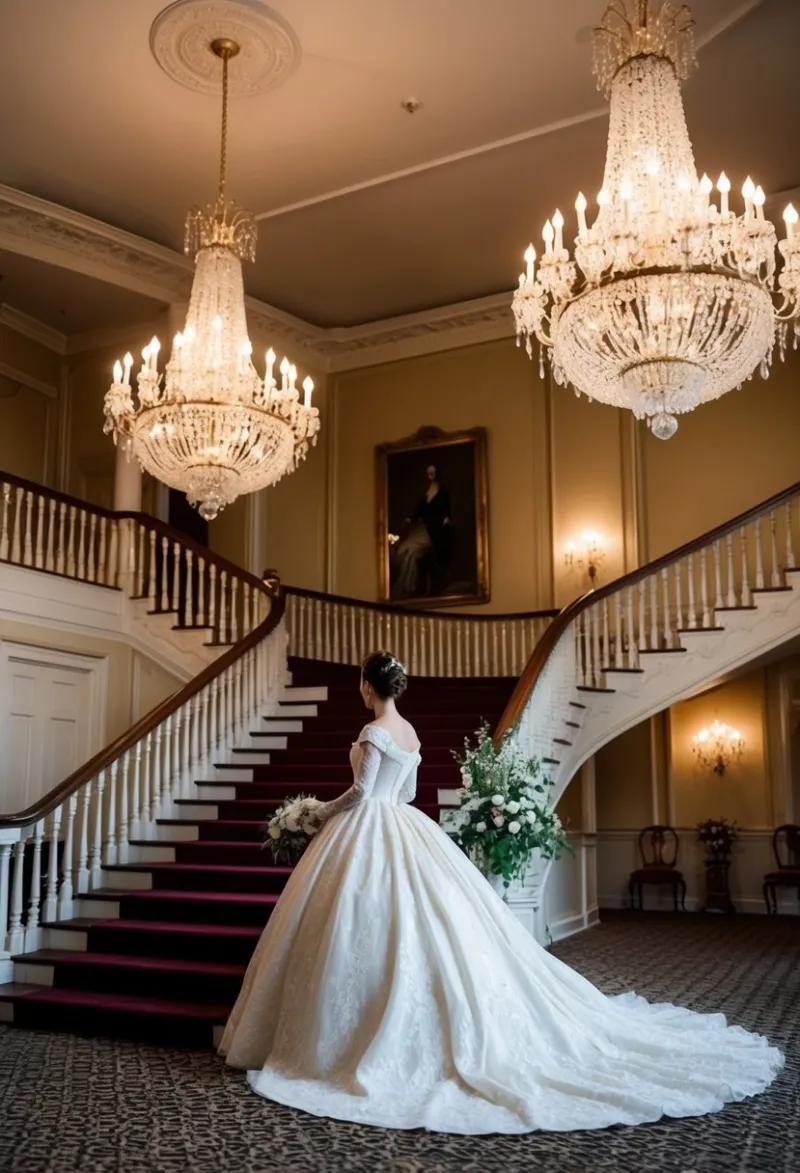
Photo: elegant debutante ball white gowns grand ballroom chandeliers, via koala.sh
Twice a year, in a Charleston church hall that has hosted the same cotillion since before the automobile, teenage girls in white gowns rehearse a curtsy that has not meaningfully changed in a century. What has changed is who is watching. Among the proud relations in the pews sit more than a few families whose fortunes were measured in stock options, not centuries — and whose presence at the rehearsal is itself the point.
Debutante culture, long pronounced dead by anyone who assumed American society had outgrown it, is having a moment. Applications to established balls are up. New cotillions have appeared in cities that had none. And the demographic driving the surge is precisely the one you might not expect: the freshly wealthy, seeking the one thing their liquidity cannot purchase on the open market.
The Legitimacy Economy
There is a particular anxiety that afflicts the second generation of a great fortune. The money is real; the belonging is not. No purchase order yields a seat at a table that predates the currency. And so, for families from Palo Alto to Austin, the debutante ball has been rediscovered as something like a finishing school for lineage — a ritual that confers, if not ancestry, at least adjacency to it.
The established balls have responded in different ways. Some have held their invitation lists closed with the discipline of a private bank, preserving scarcity. Others have quietly broadened, accepting sponsors from families whose names appear on hospital wings rather than colonial charters. The economics are not subtle: heritage institutions have overheads, and new money is generous money.
Can You Choreograph Belonging?
Here is where this writer must register a reservation. The debutante ball, at its best, was never about the gown. It was a civic technology — a way for a community to mark its daughters' entry into adult society, dense with obligation as much as privilege. What the current resurgence often markets is the aesthetic of that obligation without its substance: the curtsy, the gloves, the dance card, minus the generations of earned standing.
And yet. Watching a recent ball in San Francisco — a city whose oldest families made their money in shipping and whose newest made it in software — I was struck by how earnest the whole enterprise remained. The debutantes were nervous. The fathers were visibly moved. The ritual worked on them precisely because it was old, and old things resist being fully purchased.
Heritage as a Practice, Not a Purchase
The honest answer to whether heritage can be bought with a ball gown is no — but it can be joined. The families who last in these rooms are the ones who treat the cotillion not as a trophy but as an entry point into the unglamorous work that sustains such institutions: the charity galas, the preservation trusts, the decades of showing up.
The debutante ball survived because it offered something a résumé cannot: a public declaration that you belong to a place and its people. America's new fortunes are learning what the old ones always knew. The curtsy takes thirty seconds. The belonging takes a lifetime. The remarkable thing is that anyone still thinks it's worth the trouble — and, for now, enough do.