The Fine Print of Nobility: America’s Discreet Trade in European Titles
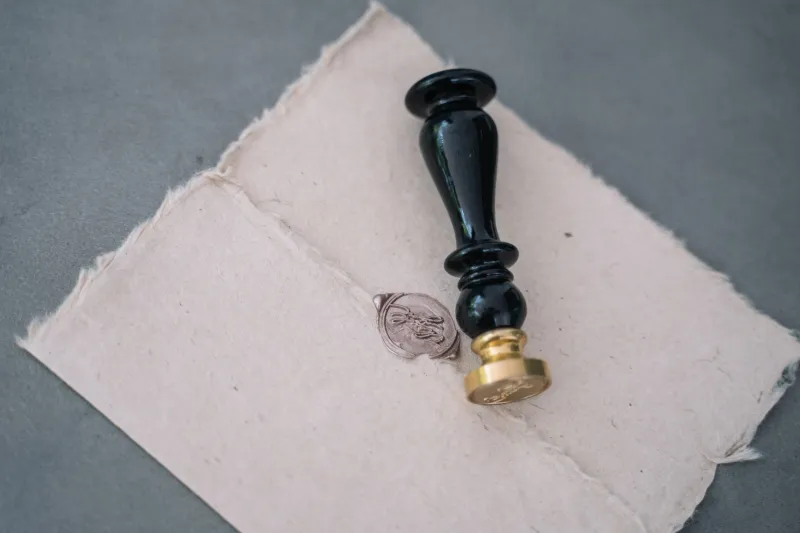
The folder arrives in a linen sleeve, sealed with wax that is older than the client’s fortune. Inside: a certificate, a genealogical summary, a heraldic rendering, and a letter from a European family association. What the American buyer has purchased is not a castle, nor a seat in any parliament. It is a title—usually minor, often courtesy, and almost always more fragile than the paper on which it is printed.
For a certain kind of American collector, that paper is enough. The market for minor European titles has long operated in the quiet spaces between genealogy, luxury branding, and legal ambiguity. It is a trade built on old names and new money, and in 2026 it is being scrutinized more closely than ever.
What Exactly Is for Sale
The phrase “European title” covers a wide and uneven terrain. At one end are remnants of genuine nobility—families whose ancestors held lands, offices, or privileges before the modern state replaced them. At the other end are commercial packages that promise a “courtesy title,” a coat of arms, and a place in a private registry that exists largely because someone created it.
Brokers typically sell one of several things. There are Scottish feudal baronies, which are real property rights and can be bought and sold, though they carry no peerage and no seat in the House of Lords. There are English lordships of the manor, which are also property titles rather than nobility. There are “courtesy styles” derived from family names, sometimes accompanied by a genealogical claim that the buyer may adopt a particular form of address. And there are orders, decorations, and micronational honors whose legal weight varies from modest to nonexistent.
The fine print matters because the word “title” does different work in different jurisdictions. In France, titles of nobility are not a legal status, though certain titles can be transmitted as part of a family name under strict rules. In Germany, nobility was abolished in 1919 and titles became part of the surname; changing that surname requires official approval. In Austria, nobiliary particles were abolished around the same period. In Italy, the post-war republic declined to recognize noble titles as a matter of public law, even as families continued to use them socially. Spain remains an exception: certain titles are recognized and regulated, but they are not simply sold like works of art.
The Legal Map
For American buyers, the most important line on the map is closer to home. The U.S. Constitution prohibits the federal government from granting titles of nobility, and it bars federal officeholders from accepting foreign titles without congressional consent. Private citizens are not covered by the same restriction in the same way, but the clause has a way of concentrating the mind. Advisers say clients increasingly ask whether a purchased title could affect political ambitions, security clearances, or philanthropic reputations.
The answer is rarely simple. A courtesy title from a defunct kingdom is unlikely to raise a constitutional issue. A title from a recognized foreign state might invite more questions. A title from a self-declared micronation is, legally speaking, a costume. The market thrives precisely because these distinctions are poorly understood by buyers and unevenly policed by sellers.
The Broker’s Craft
Title brokers are, in their own way, curators. They assemble a narrative: a family name with medieval roots, a coat of arms rendered in gouache, a certificate printed on heavy stock, a letter of authentication from an association whose own standing may be difficult to verify. The best of them are careful with language. They use words like “courtesy,” “style,” and “social use.” The worst imply that a castle is waiting at the end of the driveway.
That gap between implication and delivery is where the modern trade lives. A buyer may receive a beautifully bound dossier confirming that a surname once appeared in a nineteenth-century armorial. What the buyer will not receive is sovereignty, land, tax exemption, or a change in legal status under U.S. law. The castle, if it exists at all, belongs to someone else and is probably open for tours.
Why Americans Buy
The appeal is not difficult to understand. A title offers a ready-made narrative—a way to signal lineage, taste, and permanence in a country that has always been ambivalent about all three. It can be useful at a wedding, a philanthropic gala, or a luxury hospitality venture. It can give a family name a European shadow. For some buyers, the title is less a legal instrument than a piece of wearable heritage, like a signet ring or a portrait in the front hall.
This is the fantasy economy at its most refined. The buyer is not purchasing power; the buyer is purchasing a story. And stories, unlike castles, can be reproduced at scale.
The New Vetting
In 2026, however, the advisers are catching up. Art lawyers, genealogists, and provenance researchers who once focused on old master paintings are now being asked to examine title purchases with the same care. They trace the chain of documentation, verify the authority of the issuing body, and compare the claims against public records. They ask whether the title is heritable, whether it is recognized, and whether the seller has the right to convey it at all.
The result is a quieter market, but not a smaller one. Buyers who once relied on a broker’s brochure now request legal opinions. Sellers who once traded in ambiguity now issue disclaimers. The paper coronet remains paper, but at least the buyer knows what kind of paper it is.
For the American collector, the lesson is not that titles are worthless. It is that they are worth exactly what the fine print says they are worth—and not a castle more.